- Our California office it's now
- 13:52 PM(Fri) - We Are Open
- Tel: 1-909-988-8885 Toll free : 1-855-325-2726 (USA & CANADA)
- info@alljapantours.comFollow Us :


- Monday to Friday 8:30AM - 5:30PM (PST) Saturday 8:30AM - 3:00PM (PST)
- CONTACT US
TOP TOKYO COUNTRYSIDE DESTINATIONS
Article | May Hamamoto
Share to friends
Discover a lesser-known side of Tokyo beyond big city streets and neon lights. Just a short distance from the metropolis lies a countryside filled with natural beauty, tranquility, and authentic cultural experiences. Continue on to learn more about Tokyo's rural destinations; from serene gardens to charming towns.
1. KAWAZU SEVEN WATERFALLS
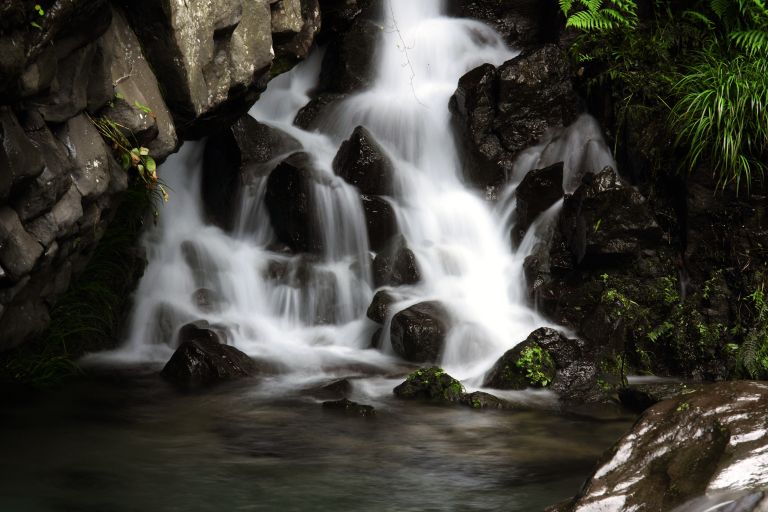
The Kawazu Seven Waterfalls is nestled in the heart of the Izu Peninsula. These cascading falls are located in the scenic town of Kawazu and is particularly famous for its vibrant cherry blossoms in early spring. During this time, trees lining the trails burst into a flurry of pink, creating a breathtaking spectacle that attracts many visitors. This location also offers hiking trails and an abundance of lush greenery. The trails offer varying difficulty levels, making it accessible for both seasoned hikers and casual nature enthusiasts. Whether it's the waterfalls, the calm nature, or the stunning cherry blossoms, Kawazu Seven Waterfalls offers an easygoing and picturesque experience for nature lovers and those seeking a peaceful retreat in Japan.

2. FUJI FIVE LAKES
A short journey from central Tokyo brings you to Fuji Five Lakes, a majestic countryside destination. With its stunning views of the famous Mount Fuji, tranquil crystal-clear lakes, and photogenic scenery, visitors look to here for a relaxing escape from the urban bustle. Immerse yourself in the awe-inspiring surroundings, explore charming lakeside towns, and witness the majesty of Japan's iconic peak on your journey through Tokyo's countryside. This location is captivating throughout the year!
Here's a closer look at the individual lakes that make up the Fuji Five Lakes:
1. Lake Kawaguchi (Kawaguchiko): Among the most popular and easily accessible of the five lakes, Lake Kawaguchi offers great views of Mount Fuji. Visitors can take boat cruises across the lake, allowing them to witness the reflection of the iconic mountain on the serene waters, especially during the early morning or late evening when the view is particularly stunning.
2. Lake Yamanaka (Yamanakako): The largest of the Fuji Five Lakes, Lake Yamanaka boasts a serene atmosphere and various recreational activities such as fishing, boating, and lakeside picnics. Visitors can enjoy splendid views of Mount Fuji from designated spots around the lake.
3. Lake Sai (Saiko): Known for its natural beauty and rugged terrain, Lake Sai offers opportunities for hiking, camping, and exploring the surrounding forests. It is a haven for outdoor enthusiasts seeking a closer connection with nature.
4. Lake Shoji (Shojiko): The smallest of the five lakes, Lake Shoji, provides a more secluded and peaceful atmosphere. It's a perfect spot for those seeking a quieter lakeside experience amidst picturesque surroundings.
5. Lake Motosu (Motosuko): Known for its crystal-clear waters, Lake Motosu is the deepest among the Fuji Five Lakes. It offers breathtaking views of Mount Fuji and is a favored spot for camping, fishing, and photography.

3. MATSUMOTO CASTLE
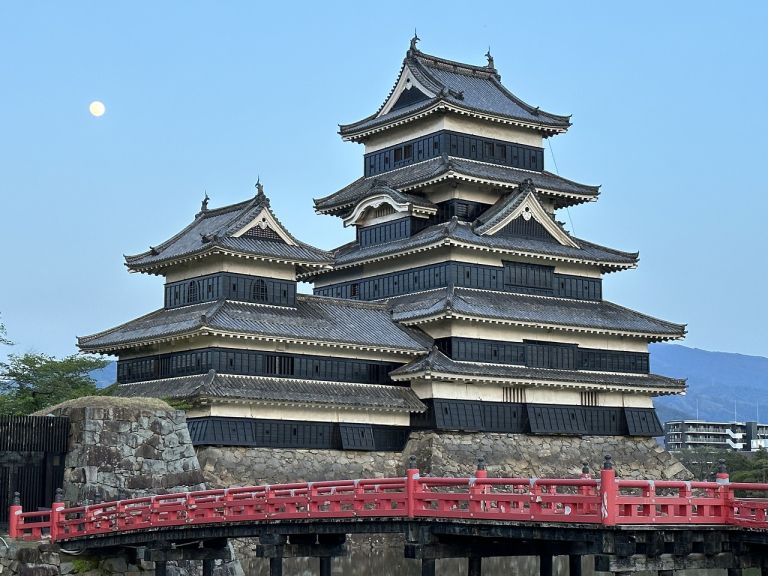
Matsumoto Castle —also known as “Matsumoto-Jo” in Japanese—is a national treasure located amidst the backdrop to the Japanese Alps. With its striking black and white exterior, elegant feudal-era architecture, and historical significance, Matsumoto Castle is a captivating landmark that offers a glimpse into Japan's past. This is one of the country’s surviving twelve remaining original castles.
This castle is made up of five stories of wood and has the nickname “Crow Castle” or Kurashiki-Jo due to its resemblance to a black crow taking flight. The castle was designed for strategic defensive purposes. The main keep houses a museum displaying various artifacts, weapons, and historical items that offer insights into the castle's history and the region's feudal past. The top floor provides panoramic views of the surrounding city and picture perfect landscapes, including vistas of the nearby mountains.
Matsumoto Castle’s history dates back to the late 16th century, when it was constructed by the Ishikawa clan. Over the centuries, the castle survived wars, natural disasters, and various ownership changes, maintaining its structural integrity and historical significance.
4. YUDANAKA ONSEN
Yudanaka Onsen is celebrated for its abundant natural hot springs, which are believed to have healing properties due to their mineral-rich waters. The town boasts a variety of public bathhouses (soto-yu) and ryokans (traditional Japanese inns) with their own private baths (rotenburo), allowing visitors to indulge in the restorative effects of the thermal waters; perfect for those seeking a mindful retreat.
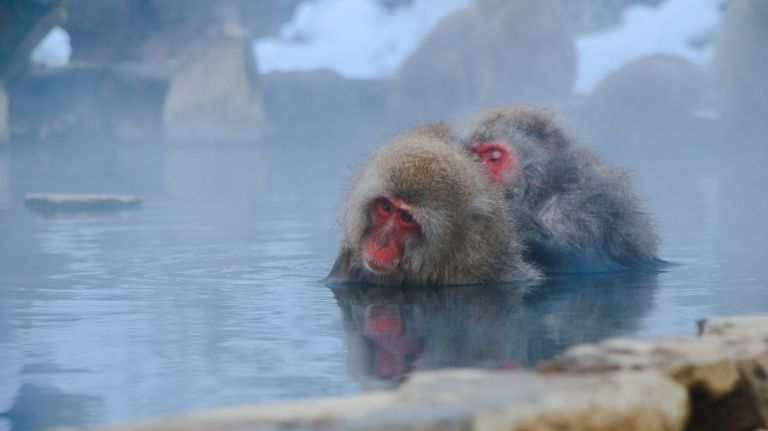
Here, witness the Japanese Macaques—also known as snow monkeys—in their natural habitat; a must-visit destination in Tokyo's rural areas. Guests can admire these adorable creatures bathing in natural hot springs amidst a picturesque winter setting, truly an enchanting and unique experience.
5. ZENKOJI TEMPLE
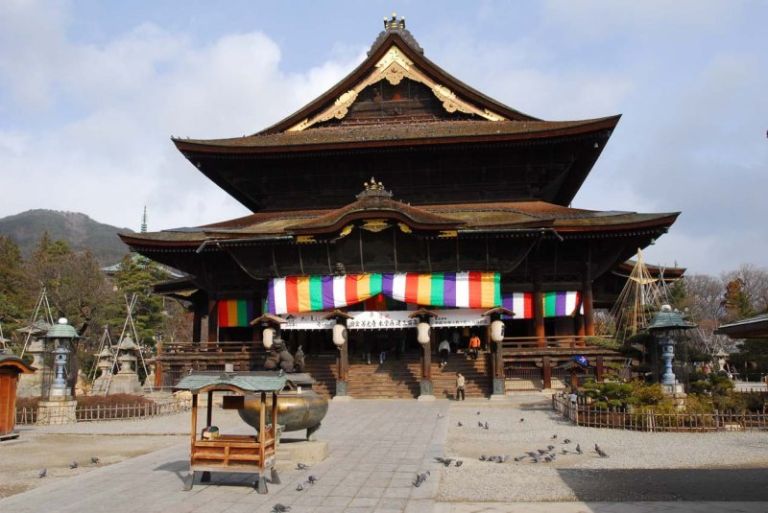
Zenkoji Temple, located in Nagano City, is one of Japan's most ancient Buddhist temples, steeped in rich history, spirituality, and cultural significance. It stands as a prominent pilgrimage site and a cherished place of worship for Buddhists and visitors alike.
Founded in the 7th century, Zenkoji Temple has a profound history spanning over 1,400 years. It enshrines a hibutsu, an image of the Amida Buddha, one of the oldest and most venerated Buddhist statues in Japan. The temple has survived various wars and natural disasters, maintaining its spiritual importance and architectural legacy.
The main hall of Zenkoji, known as the Hondo, houses the sacred statue of Amida Buddha, which is generally not visible to the public. However, the temple conducts occasional Gokaicho ceremonies (held every six or seven years) when the statue is revealed to pilgrims and visitors. Within the temple complex, visitors can admire various cultural artifacts, sculptures, paintings, and historical relics, providing insights into Japan's religious and artistic heritage. The approach to Zenkoji Temple, called Omotesando, is a bustling street lined with shops, restaurants, and vendors selling local specialties and religious items. Visitors can explore this lively area, which adds to the cultural experience surrounding the temple.
Zenkoji Temple's significance transcends religious boundaries, welcoming people of all backgrounds to experience its serene ambiance, appreciate its architectural beauty, and immerse themselves in the spiritual traditions of Japan. It stands not only as a historical monument but also as a testament to the enduring faith and cultural legacy of Buddhism in the country.
6. HOKUSAI MUSEUM
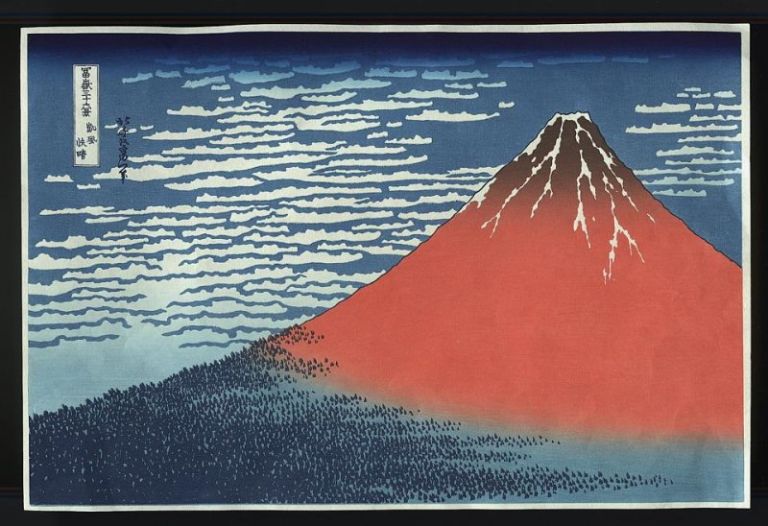
Experience the artistic legacy of Hokusai at the Hokusai Museum, a hidden gem in Tokyo's rural areas. Dive into the world of Japan's famous ukiyo-e artist, Katsushika Hokusai, and marvel at his iconic works, including "The Great Wave off Kanagawa." Immerse yourself in the vibrant colors and intricate details of Hokusai's masterpieces, gaining insight into his life and artistic techniques. Located in the countryside, the Hokusai Museum offers a unique cultural journey for art enthusiasts and those seeking a deeper understanding of Japan's artistic side.
The museum provides insights into Hokusai's artistic evolution, featuring pieces from various stages of his life and career. It allows visitors to witness the development of his techniques, themes, and experimentation across different genres, from landscapes and nature to portraits and mythical creatures. Interactive displays and educational exhibits offer a deeper understanding of Hokusai's life, creative process, and the historical context in which he lived. Visitors can learn about the artist's influences, his impact on Japanese art, and his enduring legacy worldwide.
The museum occasionally hosts temporary exhibitions, special events, and workshops related to Hokusai's art, allowing visitors to delve deeper into specific aspects of his work or the ukiyo-e genre.
7. KAIRAKUEN GARDEN
Kairakuen Garden, located in Mito City, Ibaraki Prefecture, is hailed as one of Japan's three most beautiful gardens alongside Kenrokuen in Kanazawa and Korakuen in Okayama.
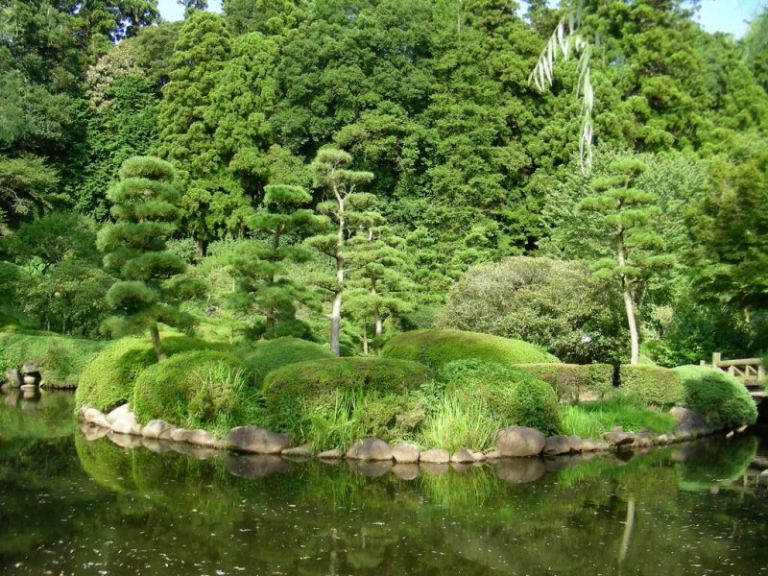
One of the main attractions of Kairakuen is its breathtaking display of plum blossoms (ume), which bloom from late February to March. The garden boasts over 3,000 plum trees of various varieties, with stunning colors and fragrant blooms. The annual Mito Plum Festival celebrates this floral spectacle, drawing crowds to admire the blossoms' beauty. The garden features mindfully landscaped grounds adorned with ponds, streams, bridges, and winding paths that lead visitors through lush greenery. Each season offers a unique charm, from cherry blossoms in spring to vibrant foliage in autumn. Traditional tea houses dot the garden, offering visitors a chance to experience Japanese tea culture. Rest areas and benches are strategically placed throughout the garden, providing opportunities for grounding and relaxation.
Throughout the year, Kairakuen hosts various cultural events, including traditional music and dance performances, tea ceremonies, and seasonal celebrations, providing visitors with a deeper appreciation of Japanese culture and traditions.
8. KARUIZAWA
Karuizawa, a resort town nestled in the mountains of Nagano Prefecture, holds a special place as a tranquil retreat and a haven for nature enthusiasts and leisure travelers alike. Karuizawa is surrounded by lush forests, pristine streams, and a backdrop of the Japanese Alps. Its natural beauty makes it an ideal destination for hiking, cycling, and nature walks.
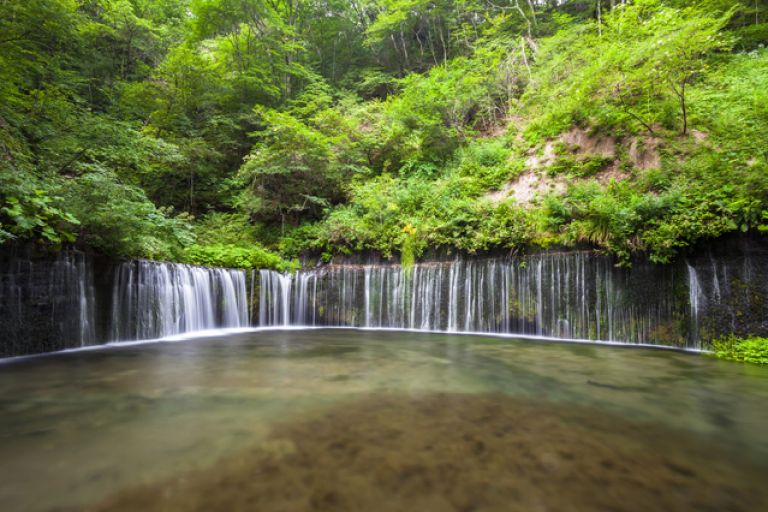
Visitors can explore trails like Shiraito Falls, which offer captivating scenery throughout the year. Shiraito Falls, translating to "White Thread Falls," derives its name from the picturesque cascades that resemble multiple streams of fine threads flowing down the rock face. The water descends over a wide area, creating a stunning curtain-like effect, and the falls span approximately 150 meters (490 feet) in width. Shiraito Falls holds cultural significance and has been recognized as a UNESCO World Heritage Site as part of the "Mount Fuji Cultural Site." The falls, along with Mount Fuji, have been celebrated in Japanese art and literature for centuries. While Shiraito Falls is captivating year-round, it offers different experiences with each season. Spring brings cherry blossoms in the surrounding area, summer offers lush greenery, autumn showcases vibrant foliage, and winter occasionally adorns the falls with a delicate icy veil.